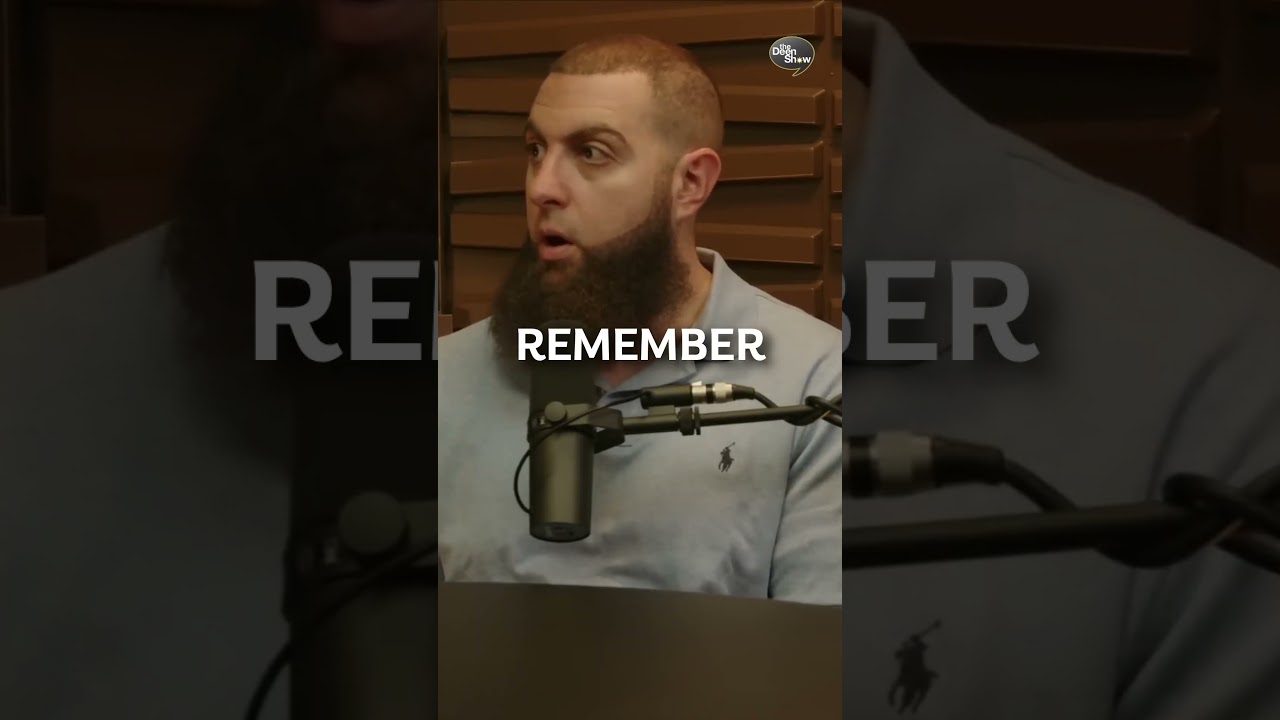
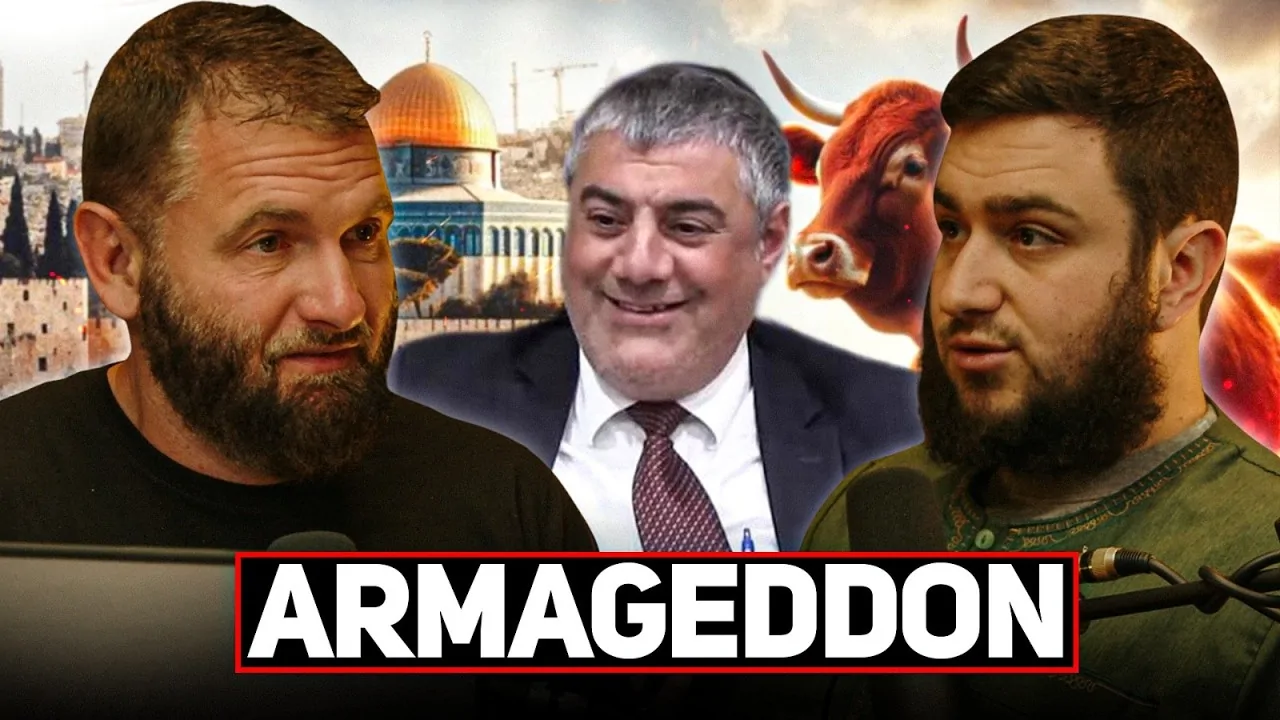
What happens when someone raised in the heart of Jewish tradition — Hebrew school, Zionist youth camps with IDF counselors, a trip to Israel before his bar mitzvah — discovers that Islam completes the very monotheism he was taught to cherish? In this eye-opening episode, Jacob, an Ashkenazi Jewish man whose DNA confirms his heritage, shares how his deep study of the Torah and honest search for truth led him to accept Islam. He also introduces us to Abdullah, a man who studied ultra-orthodox Judaism for seven years and had to take his shahada three times — because each time, a rabbi “cancelled” him and pulled him back. Yet the truth kept calling, and Abdullah finally embraced the faith of all the prophets, alhamdulillah.
From the Torah to the Quran — One God, One Message
Jacob makes a compelling case that Allah is the same God of Abraham, Moses, and all the prophets mentioned in the Torah. The Jewish prayer Adon Olam declares the oneness of God — the exact same message at the core of Islam’s declaration, La ilaha illallah. He also dismantles the common misconception that apostasy laws are unique to Islam, pointing out that the Old Testament prescribes them as well. When it comes to prayer, fasting, and the worship of one Creator without partners, Islam and the original teachings of Judaism share a remarkable foundation of pure monotheism. The difference, Jacob explains, is that Islam preserved this message while much of it was lost or altered elsewhere.
“When I studied the Torah honestly, I found it pointing me toward Islam. The God of Abraham, the God of Moses — He is Allah, and His final message is the Quran. I didn’t leave my heritage; I fulfilled it.”
The Third Temple, Iran, and the Real Messiah
- Third Temple ideology and Al-Aqsa: Jacob exposes how certain extremist Zionist factions connect war with Iran to their goal of destroying Masjid Al-Aqsa and rebuilding a third temple — a dangerous political agenda wrapped in religious language.
- Who is the real Messiah? Muslims honor and love Jesus (peace be upon him) as a mighty prophet and the Messiah — not God, not the son of God, but a servant of Allah who will return before the Day of Judgment.
- Arrogance: the root of all misguidance. Just as Iblis (Satan) refused to bow out of arrogance, Jacob draws a parallel to the story of Safiyya’s father — a Jewish leader in Medina who recognized Prophet Muhammad (peace be upon him) as the awaited prophet but refused to follow him out of tribal pride.
- Prophet Muhammad’s wife Safiyya (may Allah be pleased with her) was Jewish — living proof that Islam does not teach hatred of Jewish people, but rather calls all of humanity to guidance and submission to the One God.
- Reincarnation vs. Islamic understanding: Some Jewish mystical traditions embrace reincarnation, but Islam provides a clear, uncorrupted understanding of the soul’s journey — one life, followed by accountability before Allah.
“Abdullah studied ultra-orthodox Judaism for seven years. Three times he tried to take his shahada and three times a rabbi pulled him back. But the truth doesn’t stop calling — he finally accepted Islam, and he has never looked back.”
A Message of Guidance, Not Hatred
This conversation is not about attacking Judaism or Jewish people — it is about the honest pursuit of truth that led Jacob, Abdullah, and countless others to Islam. Prophet Muhammad (peace be upon him) married Safiyya (may Allah be pleased with her), treated her with honor, and Islam has always called people of every background to the worship of the One True God. If you are seeking answers, if the questions about the Messiah, the purpose of life, and the pure faith of Abraham keep you up at night, we invite you to study Islam with an open heart. The same God who revealed the Torah sent the Quran as His final guidance to all of mankind — and His door is always open.